Analytics & Tracking
Analytics implementation services that make every decision measurable. GA4 setup, conversion tracking, and server-side pipelines built for data you can trust.
Most analytics setups are not measurement systems. They are pageview counters with a dashboard on top. They count visits but miss signups. They show traffic sources that ad blockers quietly deleted. They answer questions nobody asked while failing the ones everyone did.
Analytics as an engineering discipline
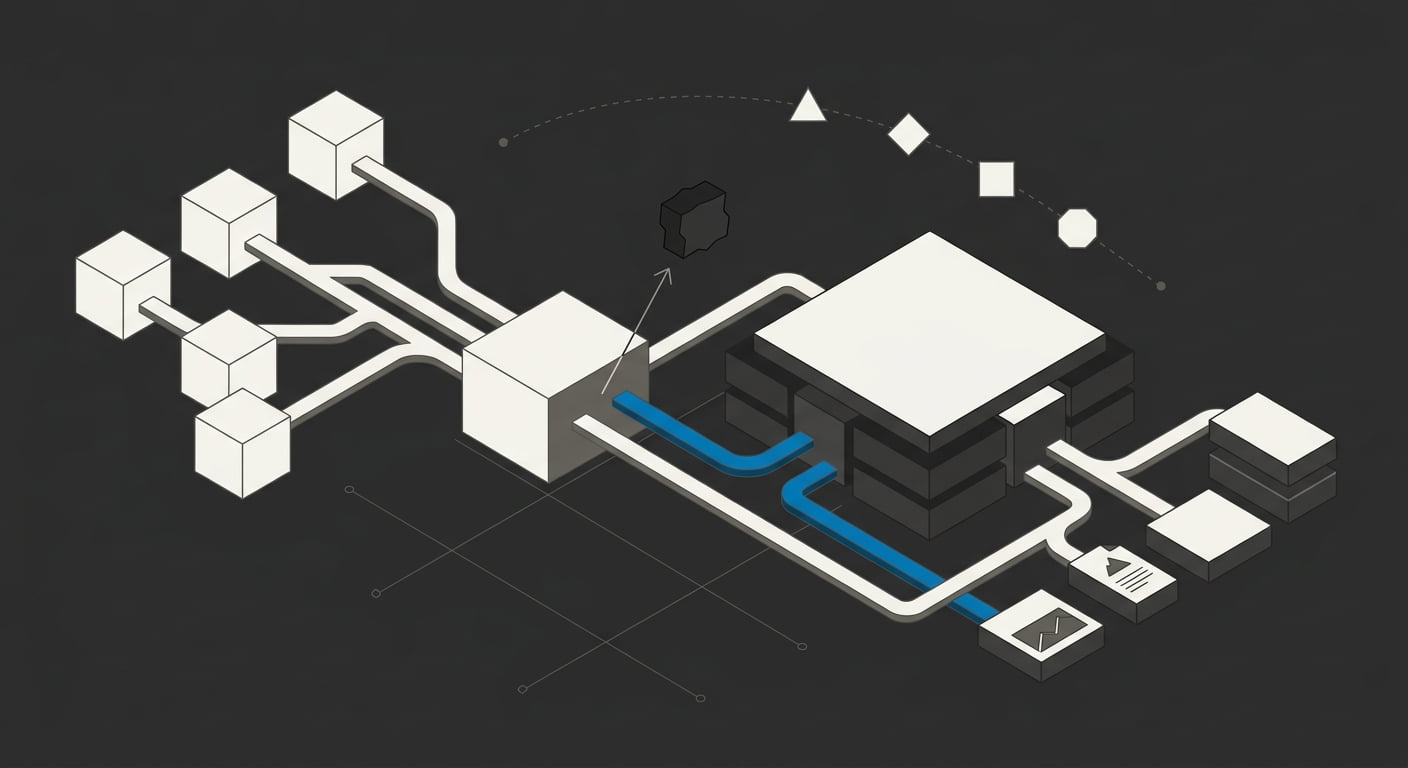
Measurement is a pipeline, not a plugin. Events must be defined consistently, named systematically, validated at runtime, and routed reliably to every destination that needs them. When any link in that chain is improvised, every downstream report becomes fiction.
The work here builds the pipeline properly: an event taxonomy designed around your business decisions, implemented in code, tested before release, and verified against reality.
What you get
Measurement plan. Every tracked event defined with its name, properties, and the decision it informs. No orphan data.
GA4 implementation. Properties, data streams, conversions, and audiences configured correctly, including enhanced ecommerce where relevant.
Custom event tracking. Product interactions instrumented in code with a consistent schema, tested alongside features before release.
Server-side tagging. First-party data collection through your own domain, resilient to ad blockers and browser privacy changes.
Conversion funnels. Signup, activation, and purchase paths mapped end to end, so drop-off points are visible and attributable.
Dashboards. Looker Studio reports organized around your KPIs, delivered ready for stakeholders who will never open GA4 directly.
How the engagement runs
Define the decisions.
Design the taxonomy.
Instrument and validate.
Report and refine.
Guessing versus measuring
| Default analytics setup | Engineered pipeline | |
|---|---|---|
| Data loss to blockers | 20 to 40 percent | Minimal via server-side |
| Event naming | Improvised per feature | One documented schema |
| Conversion counts | Approximate | Reconciled with revenue |
| New feature tracking | Forgotten until later | Part of definition of done |
| Stakeholder reports | Raw interface tours | Answers on a dashboard |
If you cannot measure it, you are not managing it. You are narrating it.
Who this is for
Teams spending on ads whose attribution never adds up. Products preparing for growth that need baselines before changes can be judged. Founders tired of dashboards that disagree with their bank account. Agencies that need client analytics set up right the first time.
Start measuring
OPENING DECEMBER 2026
Describe the decision you cannot make confidently today. The audit shows what your current pipeline captures, what it loses, and what fixing it would take.
Questions,
answered.
[ FAQ ]
Direct answers for founders and teams evaluating Huzaifa Web Studio as their technical partner.
Usually one of three causes: ad blockers filtering client-side tags, duplicate or missing event tracking, or consent configuration excluding more traffic than intended. An implementation audit identifies which, then fixes the pipeline rather than the report.
Server-side tracking routes events through your own infrastructure before they reach analytics platforms. It survives ad blockers, improves data control, and is worth it once ad spend or compliance requirements make data loss expensive.
The decisions your team actually makes: signups, key feature usage, checkout steps, drop-off points, and revenue. Tracking everything produces noise; tracking the decision points produces answers.
Yes. Existing properties are audited first: event schema, conversions, and data quality reviewed, then corrected in place. Starting a clean property is only recommended when the current one is beyond repair.
Yes. Looker Studio dashboards configured around your KPIs, so stakeholders see answers instead of learning the analytics interface.