Search & AI Visibility
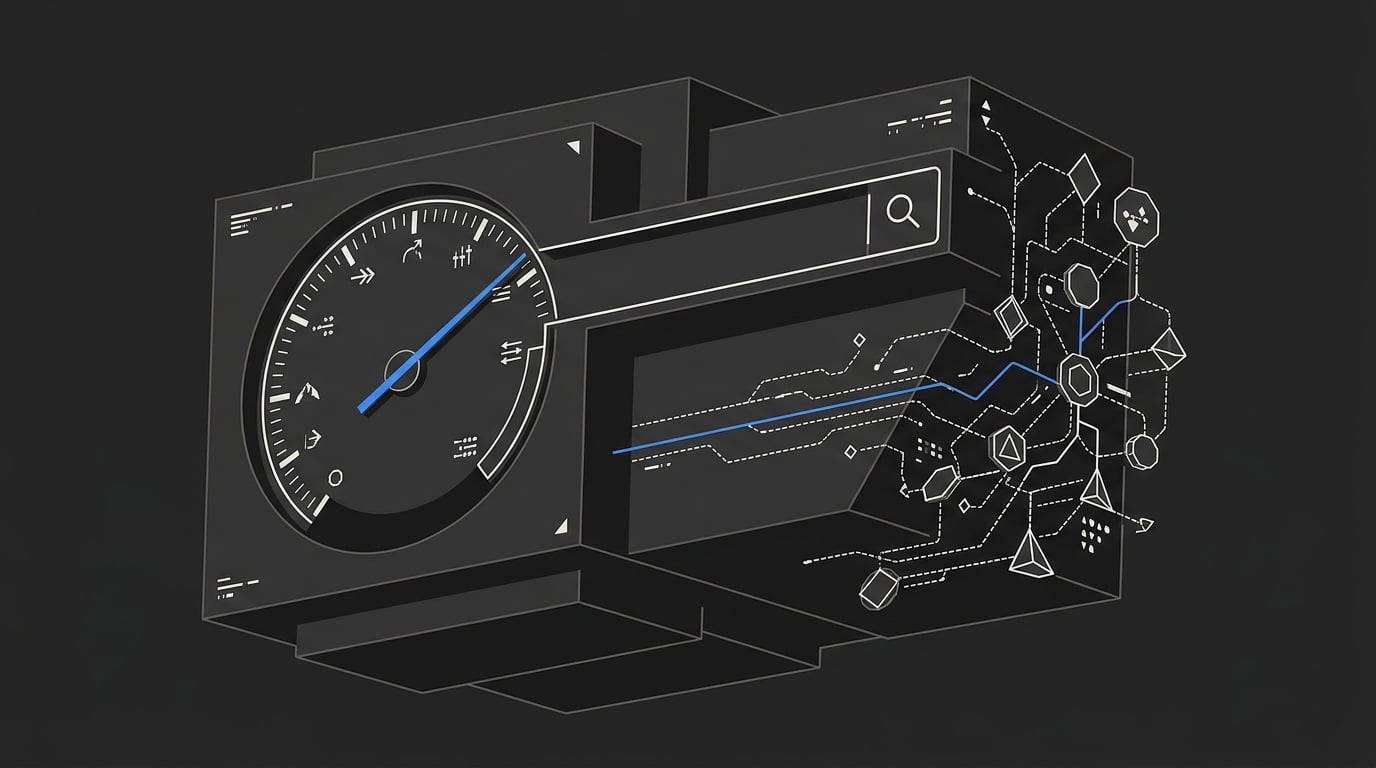
Technical SEO, AEO, and GEO services for the AI search era. Structured data, semantic markup, llms.txt, and Core Web Vitals engineered so search engines rank you and AI engines cite you.
Most sites lose all three in the code. Crawl budgets wasted on duplicate URLs. Layouts that shift while loading. Content locked inside JavaScript that parsers never see. No structured data telling machines what the business is, what it sells, or why it should be trusted. None of it visible to the owner. All of it visible to every engine deciding who gets found.
Search visibility as an engineering discipline
Old SEO advice stops at keywords and blog posts. But discovery now runs on two audiences reading the same pages: crawlers that rank rendering performance and structural clarity, and language models that quote whatever they can parse confidently. Both judge engineering outputs, not prose.
The work here treats your site as a system that search engines and AI assistants must both understand: clean semantic HTML, a complete structured data graph, correct canonical signals, markdown-accessible content paths with llms.txt, and Core Web Vitals passing at real-world device speeds. One foundation serving rankings, citations, and recommendations at once.
What you get
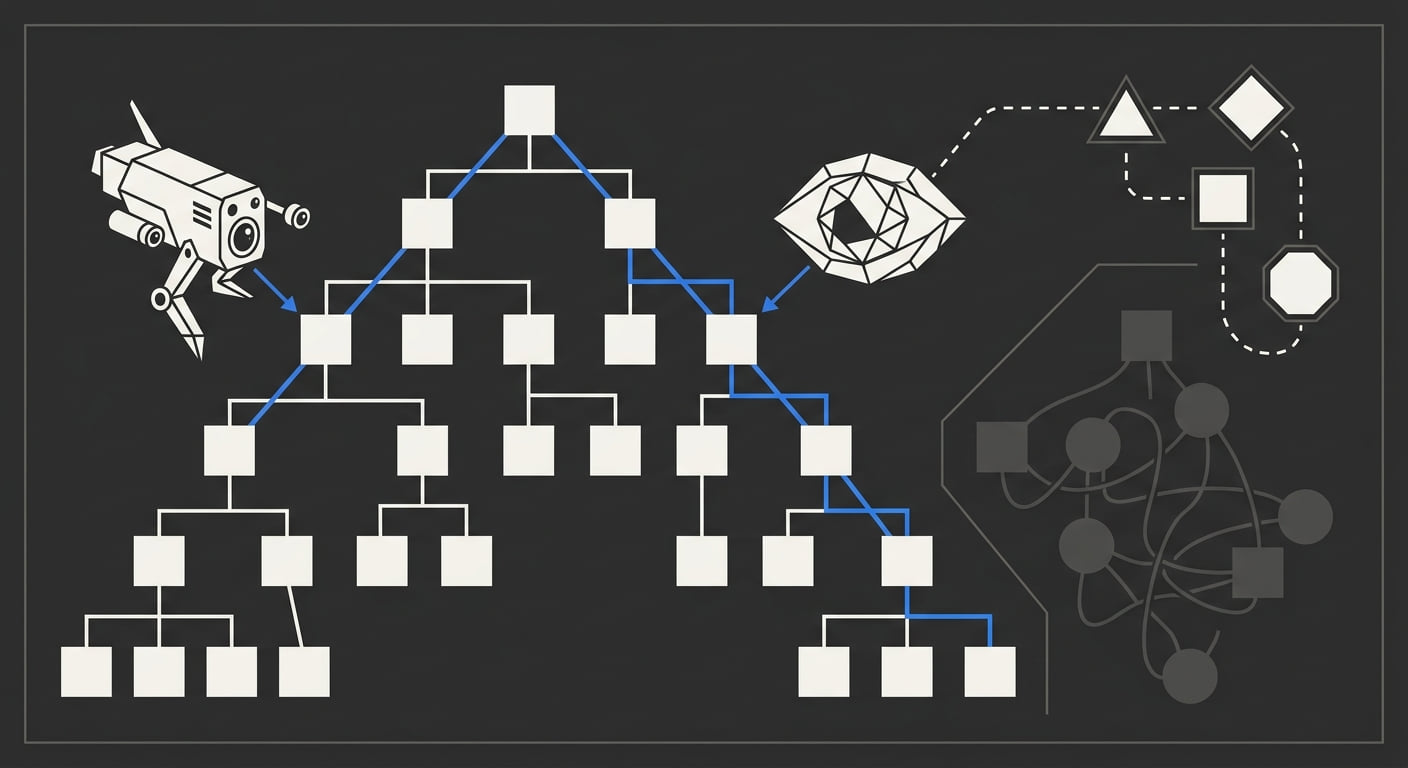
Full technical audit. Crawlability, indexation, duplicate content, redirect chains, and rendering issues documented with severity and fix order.
Core Web Vitals remediation. LCP, INP, and CLS fixed at the code level: image pipelines, font loading, script strategy, and layout stability.
Structured data graph. JSON-LD schema for Organization, Product, Service, FAQ, Article, and Breadcrumb markup that earns rich results and gives AI models unambiguous facts to cite.
Semantic architecture. Heading hierarchy, landmarks, and internal linking rebuilt so parsers understand your pages the way humans do.
AI-search readiness (AEO). Question-shaped content structures, self-contained answer passages, and clean extraction paths for AI Overviews and featured answers.
Generative engine presence (GEO). Entity consistency across the machine-readable web, llms.txt and markdown reviewers, plus citation tracking across ChatGPT, Perplexity, Gemini, and Copilot.
Monitoring setup. Search Console, vitals tracking, index coverage, and AI citation dashboards configured so regressions surface before traffic moves.
How the engagement runs
Measure everything.
Fix by impact.
Verify everywhere.
Lock it in.
Where sites typically stand
| Signal | Typical site | After engineering |
|---|---|---|
| Largest Contentful Paint | 4+ seconds | Under 2.5 seconds |
| CLS | Visible jumps | Near zero |
| Schema coverage | Missing or broken | Complete graph |
| Index waste | 30%+ duplicate URLs | Clean canonical set |
| Answer-engine presence | Content not extractable | Self-contained passages |
| AI citations | Never quoted | Cited, linked, and tracked |
Google ranks pages. AI engines recommend entities. Engineer for both, or be invisible in one of them.
Who this is for
Sites with good content stuck below competitors with worse content and better engineering. Brands watching AI assistants send buyers to whoever is easiest to cite. Teams preparing a migration who cannot afford to lose rankings or citations in the move. Developers who need a search specialist who speaks their language.

Start the audit
OPENING DECEMBER 2026
Send the URL. The audit shows exactly what is capping your rankings and what keeps AI engines from citing you, ranked by impact with the fix order spelled out.
Questions,
answered.
[ FAQ ]
Direct answers for founders and teams evaluating Huzaifa Web Studio as their technical partner.
The infrastructure layer of search visibility: crawlability, indexation, site architecture, structured data, canonical handling, sitemaps, and page speed. Content tells search engines what you offer. Technical SEO ensures they can find, parse, and trust it.
AEO (answer engine optimization) makes your content extractable by AI Overviews and featured answers: clear question-and-answer structure, complete schema, and passages that stand alone. GEO (generative engine optimization) makes AI assistants like ChatGPT, Perplexity, and Gemini cite and recommend your brand when users ask questions in your domain.
Models cite entities they can parse and trust. If your structured data is incomplete, your facts are inconsistent across the web, or your content is locked inside JavaScript that crawlers cannot read, the model has nothing reliable to quote. Competitors with cleaner machine-readable signals win the recommendation by default.
Usually render-blocking resources, unoptimized images, layout shifts from late-loading content, or heavy JavaScript executing before interaction. The fixes are architectural, which is why developer-led SEO outperforms plugin-based SEO.
Prompt panels run against the major AI assistants on the questions your buyers actually ask, tracking whether and how your brand is cited over time alongside competitors. That pairs with Search Console, vitals tracking, and index coverage so regressions surface before rankings or citations move.